
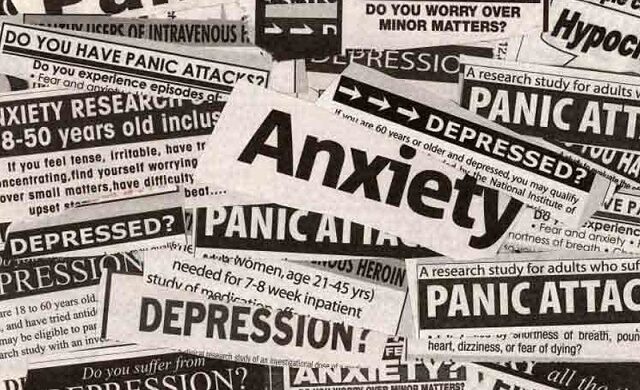
In Northern Uganda, pain is not always loud. Sometimes it sits quietly in the heart, carried from childhood into adulthood, shaped by memories of war, years of insecurity, and now the daily struggle of poverty and unemployment. Mental health challenges here are real, deep, and often unseen.
Let me tell you about Ayaa.
Ayaa is not her real name, but her story is familiar to many families in Northern Uganda. She is 22 years old, born during the final years of the conflict. Her earliest memories are not of playgrounds or storybooks, but of displacement camps, whispered fear, and adults who were always anxious. Though the guns eventually fell silent, peace did not erase the scars.
Ayaa grew up in a home where trauma was never discussed, only endured.
The Legacy of War That Never Truly Ended
For many young people in Northern Uganda, the war may be history, but its effects live on. Parents who survived violence, loss, and displacement often struggle with untreated trauma. This trauma quietly shapes family life—through anger, silence, alcoholism, or emotional absence.
Ayaa’s mother rarely spoke about the past. Her father drank heavily and withdrew from family life. As a child, Ayaa learned early that emotions were something to hide. By the time she reached adolescence, she was already carrying a burden she did not understand.
This is the reality for many young people: growing up in homes affected by trauma, without the language or support to process it.
Insecurity Replaced by Poverty and Unemployment
When the war ended, expectations were high. Peace was supposed to bring opportunity. But for Ayaa, like many others, peace arrived without jobs, without access to quality education, and without mental health support.
After completing secondary school, Ayaa stayed home. There was no money for further education. No work nearby. Each day felt the same—long, uncertain, and heavy. Friends left for towns in search of work. Some never returned. Others returned with stories of exploitation and disappointment.
Slowly, Ayaa began to feel hopeless. She struggled to sleep. She lost interest in things she once enjoyed. Some days, getting out of bed felt impossible. Yet no one called it depression. In her community, such struggles are often dismissed as laziness, weakness, or “thinking too much.”
Mental Health: The Silent Crisis
Mental health services in Northern Uganda remain limited. Health centres are few, understaffed, and focused mainly on physical illness. Counseling services are rare, especially for young people. Cultural stigma makes it even harder to seek help.
Ayaa never told anyone how she felt. She feared being judged or misunderstood. She feared being told to “be strong” or “pray harder.” Like many young women, she suffered in silence.
This silence is dangerous.
Unaddressed mental health challenges contribute to substance abuse, early pregnancies, domestic violence, suicide, and long-term poverty. When young people are mentally unwell, their ability to learn, work, and build relationships is deeply affected.
Why Young Women Are Especially Vulnerable
Girls and young women carry a unique burden. Many face gender-based violence, early marriage, or the pressure of caregiving roles at a young age. When combined with poverty and unemployment, these pressures intensify mental distress.
For Ayaa, being unemployed also meant feeling like a burden at home. She wanted to contribute, to help her siblings, to support her mother—but without opportunities, her self-worth slowly eroded.
Healing Is Possible, But Support Is Needed
What changed for Ayaa was not a miracle, but a conversation. Through a community-based youth group, she met peers who shared similar struggles. For the first time, she realized she was not alone. She learned that what she was feeling had a name—and that help was possible.
This is why community-based mental health initiatives matter. Safe spaces, peer support, counseling, and livelihood opportunities can restore hope. Healing does not happen overnight, but it begins when young people are seen, heard, and supported.
A Call to See the Invisible
Northern Uganda does not only need roads and markets—it needs healing. The wounds of war, compounded by poverty and unemployment, continue to shape the mental health of a generation.
We must talk openly about mental health. We must invest in youth-friendly services. We must listen to stories like Ayaa’s, not with judgment, but with compassion and action.
Because peace is not just the absence of war—it is the presence of wellbeing.
Author
Mr. Ocitti Francis
Executive Director
Email: francisocitti2014@gmail.com
Tel: +256 777 870 896

It has survived not only five centuries, but also the leap into electronic typesetting unchanged. It was popularised in the sheets containing lorem ipsum is simply free text.
It has survived not only five centuries, but also the leap into electronic typesetting unchanged. It was popularised in the sheets containing lorem ipsum is simply free text